
In a world where reality sometimes feels a bit too mundane, augmented reality (AR) swoops in like a superhero, transforming the way businesses operate. Imagine walking into a store and seeing virtual displays pop up around you, guiding your shopping experience. It’s like having a personal assistant who’s really good at playing hide-and-seek with products.
Overview of Augmented Reality
Augmented reality (AR) integrates digital elements within the real world, creating an interactive experience. Businesses leverage AR technology to innovate processes and improve customer engagement. Retail environments benefit significantly from AR, as it allows for virtual displays and product trials.
Customers can visualize items in their own space, which enhances purchasing confidence. Manufacturers utilize AR for training and maintenance, providing real-time information and guidance. By overlaying digital instructions on physical equipment, employees receive assistance that increases efficiency.
Healthcare stands out as another sector adopting AR solutions. Surgeons can view vital patient data during procedures, leading to improved outcomes. Additionally, AR simplifies complex medical training, offering students a realistic environment for practice.
Marketing campaigns actively incorporate AR to engage consumers. Brands create immersive experiences, such as virtual try-ons or interactive advertisements. These strategies not only captivate attention but also encourage lasting customer relationships.
In essence, AR significantly reshapes communication strategies, operational processes, and customer experiences across various industries. The technology continues to evolve, offering exciting opportunities for businesses to adopt innovative solutions.
Benefits of Augmented Reality in Business
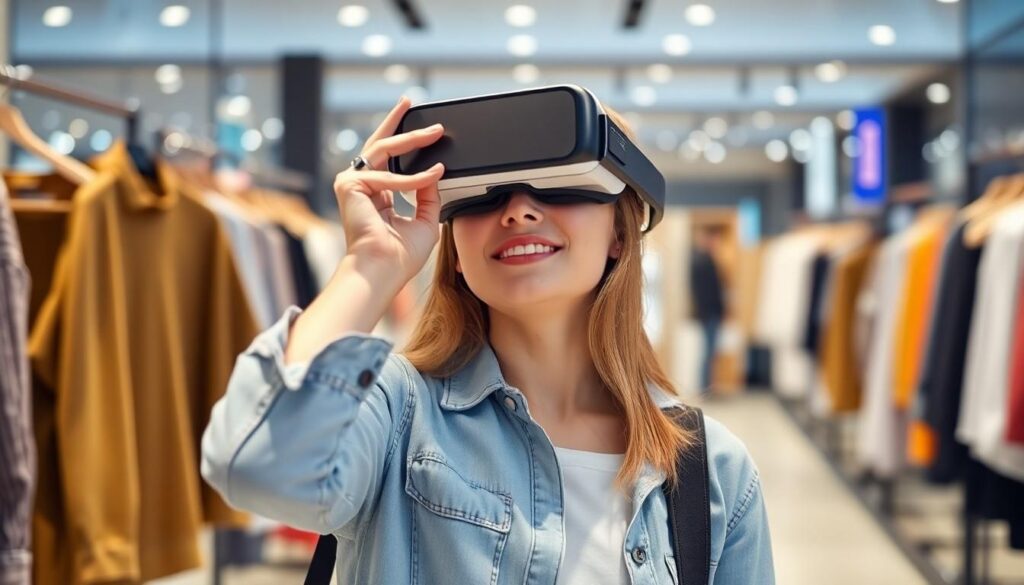
Augmented reality provides several significant benefits across various business sectors. These advantages contribute to increased engagement, efficiency, and customer satisfaction.
Enhanced Customer Experience
Customers enjoy interactive and personalized shopping experiences through augmented reality. Virtual try-ons enable them to visualize how products, such as clothing and accessories, look before making a purchase. AR applications enhance customer assistance by providing product information in real time, making decision-making easier. When customers see a digital overlay of furniture in their homes, they experience heightened confidence in their purchasing decisions. Such interactions foster a deeper connection between brand and customer, leading to increased loyalty.
Improved Training and Development
Businesses use augmented reality to revolutionize training and development procedures. AR offers immersive simulations that allow employees to engage in realistic scenarios, enhancing learning retention. For example, service technicians can interact with 3D models of machinery, receiving detailed guidance while performing repairs. This hands-on approach boosts understanding and skill acquisition, reducing errors. Moreover, AR technology facilitates remote training sessions, allowing experts to provide real-time instruction to teams across various locations. Enhanced training solutions thus lead to improved workforce efficiency and operational success.
Applications of Augmented Reality in Different Industries
Augmented reality transforms various industries by enhancing operational efficiencies and customer experiences.
Retail and E-Commerce
Retailers utilize AR to create immersive shopping experiences. Virtual try-ons allow customers to visualize clothing or accessories on themselves before purchasing. Additionally, AR in e-commerce provides interactive product displays, informing consumers about features and benefits. Brands like IKEA use AR apps to help users visualize furniture in their homes, increasing buyer confidence. Enhanced engagement often leads to higher conversion rates, allowing retailers to stand out in a competitive market.
Manufacturing and Maintenance
Manufacturers leverage AR for training and maintenance purposes. Real-time data overlays can guide technicians through complex repair processes, reducing errors and downtime. Augmented reality tools, such as smart glasses, assist workers by displaying step-by-step instructions, enhancing their productivity. Companies like Boeing use AR to improve assembly processes, leading to significant time savings. Streamlined operations contribute to a more efficient production line, positively impacting overall profitability.
Healthcare
In healthcare, AR technology supports surgical procedures and medical training. Surgeons access patient data through AR displays, allowing for more precise interventions. Medical students benefit from immersive simulations, practicing skills in realistic scenarios without patient risk. Systems like Microsoft’s HoloLens enhance collaborative efforts among surgical teams, improving communication and outcomes. This integration of AR in healthcare minimizes errors and boosts confidence in procedures.
Challenges and Limitations of Augmented Reality
Augmented reality (AR) technology faces several challenges that can hinder its widespread adoption in business. These challenges often stem from technical limitations and cost considerations.
Technical Limitations
Technical limitations impede the effectiveness of AR applications. Hardware capabilities often restrict the quality of experience. For example, many devices struggle to render high-quality graphics in real time, leading to lag and reduced user engagement. Additionally, software compatibility can create barriers, as some AR applications are not universally compatible across different operating systems or devices. Connectivity issues may also arise, as stable and high-speed internet is crucial for seamless utilization. Furthermore, user experience can suffer when AR content lacks accuracy or precision, reducing the technology’s value in practical applications.
Cost Considerations
Cost considerations can present significant barriers for businesses looking to implement AR solutions. High development costs often deter small to medium-sized enterprises from adopting this technology. Development of customized AR applications frequently requires specialized skills, leading to increased expenses in hiring or training personnel. Moreover, ongoing updates and maintenance can strain budgets, particularly for companies with limited resources. Investing in AR hardware also entails substantial initial costs, which may not yield immediate returns. Businesses may face difficulties justifying these expenses when weighing them against potential benefits, thereby limiting AR’s overall market penetration.
Future Trends in Augmented Reality
Augmented reality technology continues evolving, promising to reshape various business sectors. Businesses are expected to integrate AR solutions more widely into everyday operations. Enhanced customer experiences will emerge through personalization and interactive features, driving engagement and loyalty.
Retail environments stand to benefit from advancements. Smart fitting rooms equipped with AR technology let customers try on clothes virtually, streamlining the shopping process. Data projections indicate that this trend may increase conversion rates by up to 30 percent.
Training processes will also evolve with AR integration. Companies increasingly utilize AR for onboarding employees, providing immersive environments that enhance learning retention. Studies show that engaging training methods lead to a 70 percent improvement in knowledge retention.
Collaboration tools are likely to become more common with AR applications. Teams can connect in virtual spaces to brainstorm and problem-solve, despite geographical barriers. Businesses may realize a boost in productivity, with remote teams reporting a 40 percent reduction in project timelines.
Marketing strategies will leverage AR for more engaging content. Interactive campaigns will attract consumer attention, enabling users to experience products before purchasing. Data suggests that immersive ads can increase user interest by 50 percent compared to traditional formats.
Finally, healthcare advancements will reflect AR’s integration. Surgeons can utilize real-time data overlays during operations, significantly enhancing precision. Consequently, the implementation of AR in operating rooms may contribute to improved surgical outcomes in 80 percent of cases.
Continuous investments in AR development will drive these trends, with businesses redefining their approaches to customer engagement, training, and operational efficiency.
Augmented reality is reshaping the landscape of business across various sectors. Its ability to enhance customer experiences and streamline operations is proving invaluable. As companies continue to adopt AR technologies, they’ll not only improve engagement but also drive efficiency in training and collaboration.
The potential for AR to transform marketing strategies and create immersive consumer interactions is significant. While challenges remain in terms of cost and technical limitations, the future of AR in business looks promising. With ongoing advancements, businesses that embrace AR will likely gain a competitive edge, leading to increased customer loyalty and operational success. The journey toward widespread AR adoption is just beginning, and its impact will undoubtedly be profound.