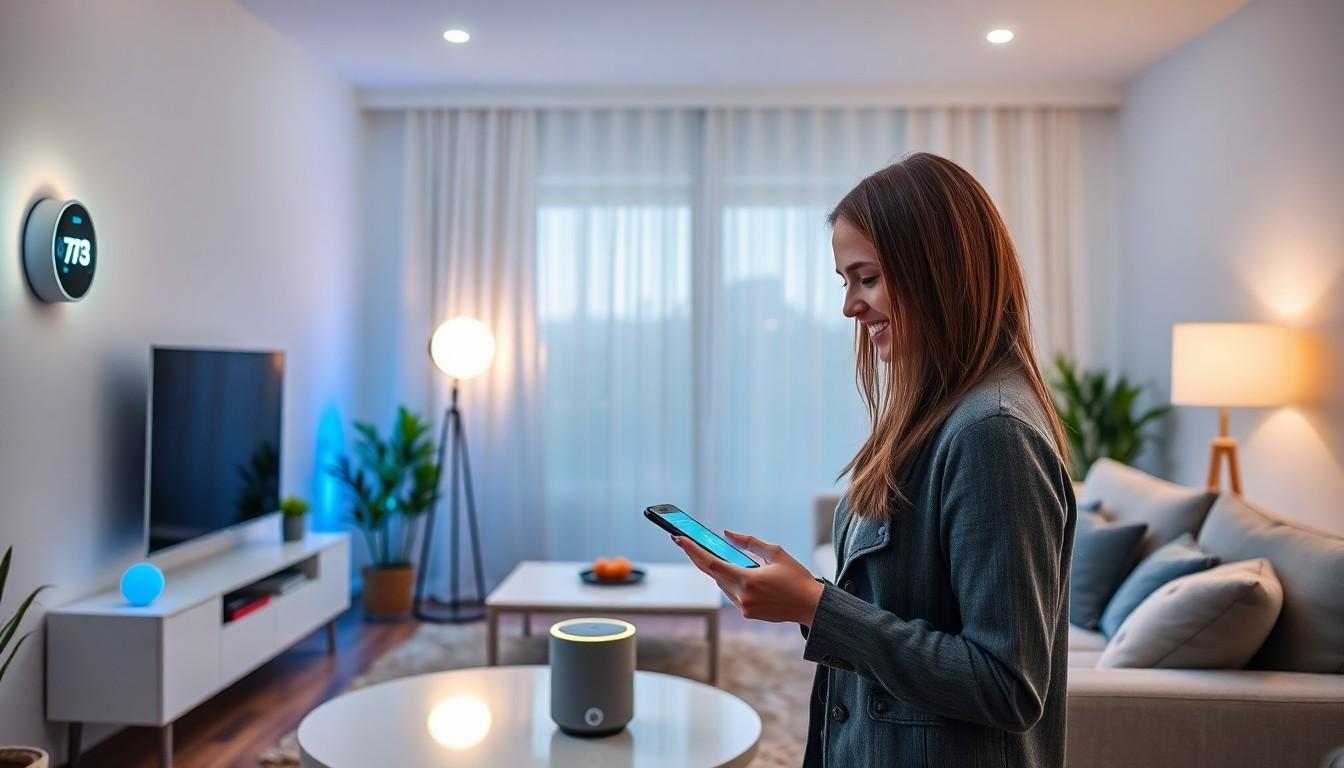
Imagine walking into your home and having everything respond to your every whim—lights dimming, music playing, and the coffee brewing, all before you even take off your shoes. Welcome to the world of smart home networking, where your house isn’t just a structure but a tech-savvy companion that knows what you want before you do.
Overview of Smart Home Networking
Smart home networking establishes a seamless connection between devices, enhancing the overall living experience. By integrating various technologies, homeowners can manage lighting, heating, security, and entertainment systems from a single interface. Devices communicate through local networks or the internet, enabling the automation of daily tasks.
Wireless protocols like Wi-Fi, Zigbee, and Z-Wave play a vital role in establishing these connections. Wi-Fi provides broad coverage, while Zigbee and Z-Wave consume less power, making them ideal for battery-operated devices. Each protocol offers unique benefits tailored to specific use cases, ensuring effective communication within the smart home ecosystem.
The backbone of smart home networking often lies in a central hub, which consolidates control over all devices. Hubs, such as Samsung SmartThings or Amazon Echo Plus, simplify user interaction and improve interoperability among devices from different manufacturers. A strong network ensures devices function optimally, reducing latency and enhancing responsiveness.
Security remains a top priority in smart home networking. Encrypted connections safeguard data transmission, minimizing vulnerabilities. Regular software updates fortify devices against potential threats, fostering a secure environment for homeowners.
For proper functionality, adequate bandwidth is necessary. Homes with numerous connected devices should consider a robust Wi-Fi router or a mesh networking system to maintain consistent performance. Prioritizing bandwidth allocation for critical devices, such as security cameras or smart assistants, ensures reliability during peak usage periods.
Understanding the components of smart home networking allows homeowners to create a customized, efficient living environment. With the right setup, convenience, security, and energy savings become integral parts of everyday life.
Key Components of Smart Home Networking
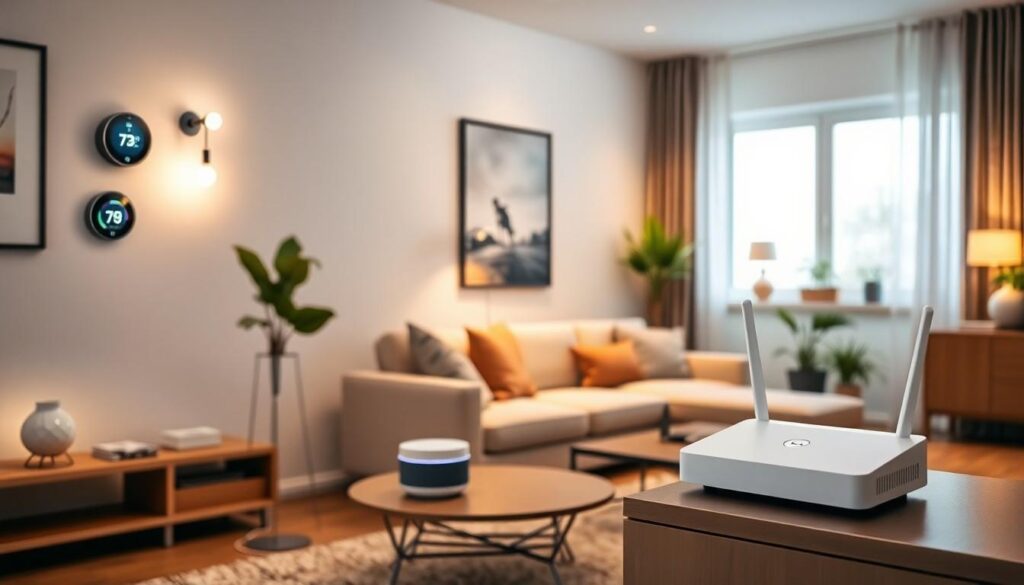
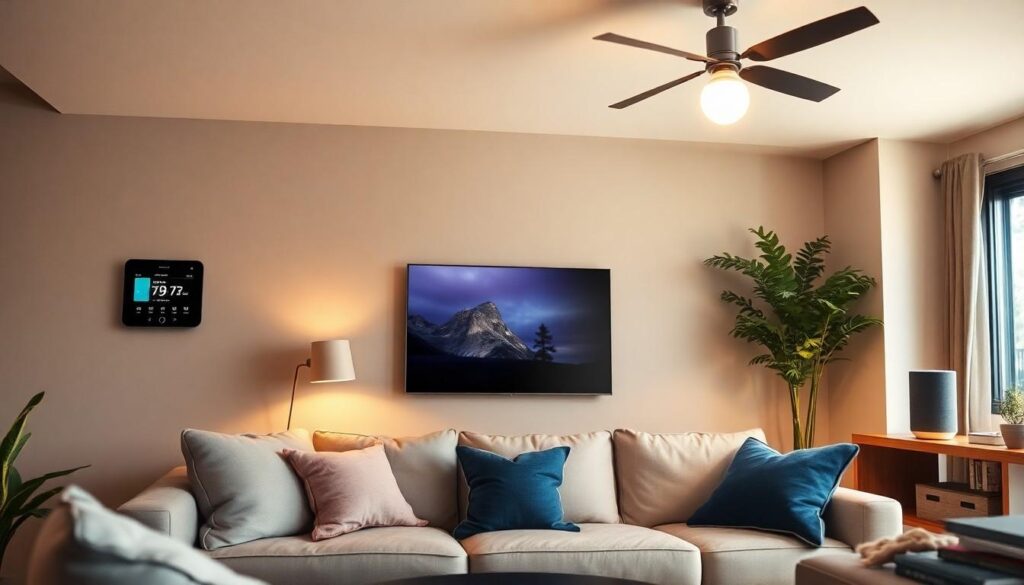
Smart home networking comprises various components that create a cohesive environment. Understanding these elements enhances the overall smart home experience.
Smart Devices and Their Roles
Smart devices serve specific functions within a home network. Smart lights can adjust brightness and color, offering convenience and energy savings. Smart thermostats optimize heating and cooling based on occupancy patterns. Cameras and doorbells enhance security by allowing users to monitor their property remotely. Appliances like smart refrigerators can track inventory and suggest recipes. Each device connects to the network, promoting seamless interaction with other systems.
Networking Equipment Essentials
Networking equipment plays a crucial role in maintaining connectivity and performance. A robust Wi-Fi router supports high-speed internet access for multiple devices. Mesh networking systems enhance coverage, eliminating dead zones in larger homes. Extenders can strengthen weak signals, ensuring reliable connectivity throughout the property. Security features, such as firewalls and encryption protocols, protect the network from external threats. High bandwidth capabilities accommodate numerous smart devices, improving overall functionality and user satisfaction.
Benefits of Smart Home Networking
Smart home networking offers numerous advantages that enhance everyday living. Users can experience greater convenience and control over various aspects of their home environment, leading to an improved quality of life.
Increased Convenience and Control
Smart home devices integrate seamlessly, allowing users to manage functions like lighting, temperature, and entertainment from a unified app. Wireless communication technologies, such as Wi-Fi, Zigbee, and Z-Wave, facilitate this integration, making it simple to adjust settings remotely. Occupants can automate schedules, ensuring lights turn on and off as needed. Voice assistants contribute to hands-free control, making interactions more intuitive. Smart devices support compatibility across brands, allowing users to create a cohesive system that fits their preferences. Ultimately, this level of control streamlines daily routines and elevates comfort at home.
Enhanced Security Features
Prioritizing security, smart home networking consists of devices that provide robust protection for homeowners. Encrypted connections safeguard data transmission, mitigating the risk of unauthorized access. Security cameras and doorbell systems enable real-time monitoring and alert notifications to smartphones. Remote access allows users to check sensor statuses from anywhere, providing peace of mind. Routine software updates help maintain device integrity against potential vulnerabilities. Integrating smart locks enhances physical security, granting control over entry points. With advanced security measures in place, smart home networking promotes a safer living environment for all occupants.
Challenges in Smart Home Networking
Smart home networking faces several challenges that can impact functionality and user experience. These concerns primarily revolve around connectivity and security.
Connectivity Issues
Connectivity issues arise when devices communicate inconsistently within a smart home network. Interferences from physical barriers, like walls and furniture, can weaken signals. Multiple devices competing for bandwidth may slow down performance, especially in larger homes. Choosing a reliable router or mesh system improves coverage and minimizes dead zones. Furthermore, smart devices using different protocols might struggle to interact smoothly, leading to compatibility challenges. Regular updates from manufacturers play a crucial role in ensuring device performance and connectivity remain optimal.
Security Concerns
Security concerns present significant challenges for smart home networks. Each connected device adds potential entry points for cyber threats. Weak default passwords and inadequate encryption increase vulnerabilities, allowing unauthorized access to sensitive data. Regular firmware updates are vital for patching security flaws, enhancing device protection. Implementing strong network encryption, such as WPA3, secures data transmission against interception. Additionally, using a separate network for smart devices can limit exposure to potential attacks, safeguarding personal information and enhancing overall network integrity.
Future Trends in Smart Home Networking
Emerging technologies are set to transform smart home networking significantly. The growth of artificial intelligence (AI) enhances automation capabilities, enabling devices to learn user preferences over time. Smart assistants become increasingly sophisticated, understanding natural language better and responding to complex commands.
Another trend involves the expansion of the Internet of Things (IoT). More devices will connect seamlessly to home networks, ranging from appliances to wearable technology. This exponential growth requires networks equipped to handle substantial data traffic and provide consistent connectivity.
5G technology plays a crucial role in this evolution. Its high-speed connection supports numerous devices and reliable streaming of high-definition video feeds from security cameras. Smart homes leverage low latency, allowing real-time interactions with IoT systems.
Energy efficiency also gains focus in smart home networking. Devices now feature energy-saving modes, optimizing their performance and reducing electricity consumption. Homeowners see a direct impact on utility bills by utilizing smart energy monitors.
Security advancements are becoming paramount as the number of connected devices increases. Enhanced encryption protocols, such as WPA3, protect user information from cyber threats. Continuous monitoring will become standard to identify and neutralize potential breaches.
Integration of blockchain technology emerges as a reliable security measure. Blockchain offers decentralized security solutions, enhancing user control over data privacy. Homeowners may opt for contracts and transactions secured through blockchain, ensuring transparency and authenticity.
Lastly, interoperability among various platforms becomes essential. Standardization efforts aim to simplify device integration, allowing smoother communication between products from different manufacturers. This push for compatibility ensures users enjoy a cohesive smart home environment.